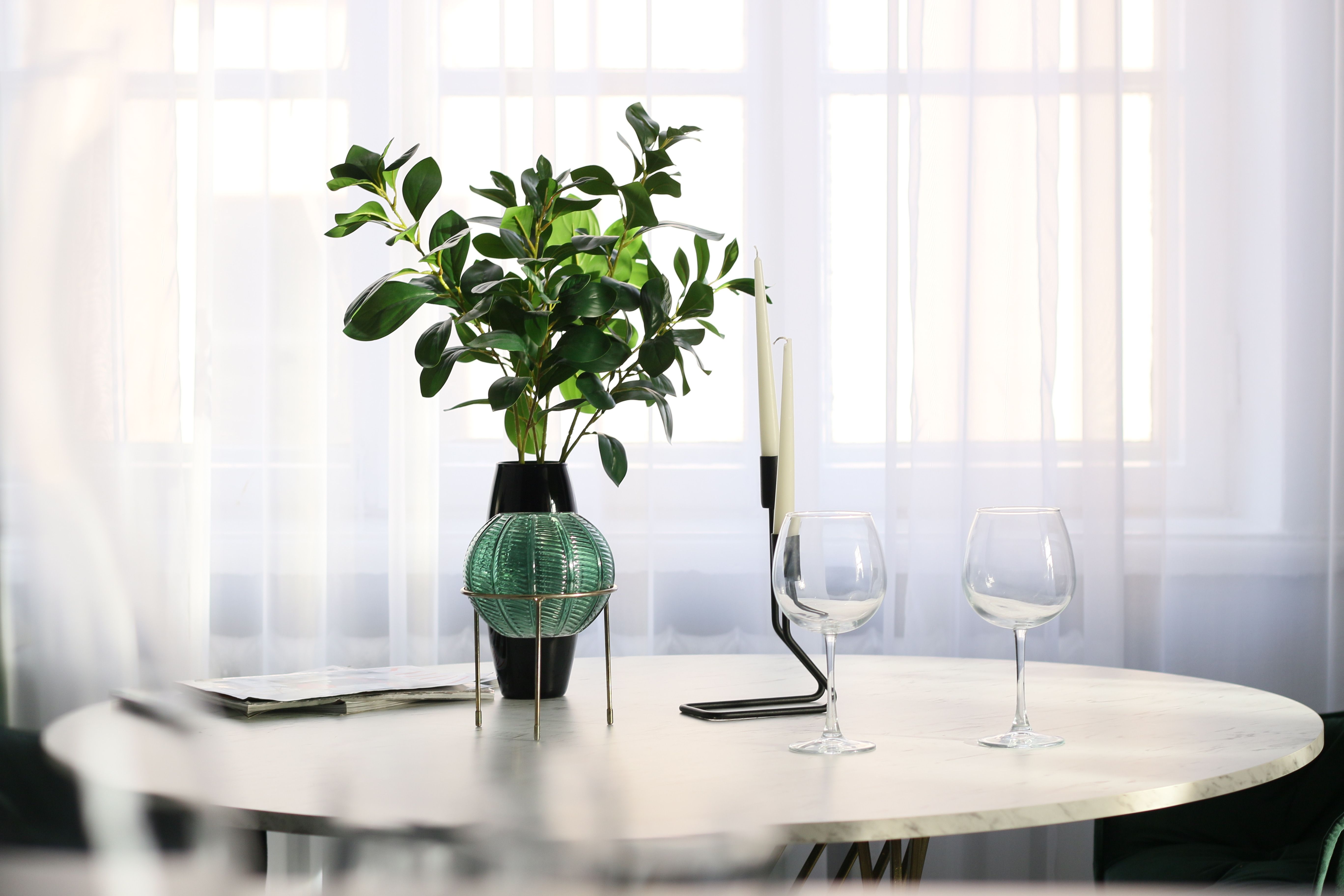
It happens far more often than we imagine. The house is furnished. The sofa is the one you wanted. The dining table has finally arrived. You carefully chose the chairs, the TV unit and even that lamp you saved months ago.
And yet, when you walk into the living room, something still feels off.
It is not unattractive. It simply feels unfinished. The first instinct is often to look for something else to buy. A coffee table. A console. Another armchair. A few objects to fill that empty wall.
But stop for a moment. Because chances are, what is missing is not another piece of furniture. What is missing are the final layers.
The ones that turn a furnished room into a space that feels truly lived-in, softer and more personal. Here are five of them.
Let’s start from the floor. A rug is not simply there to decorate it.
It helps define the room. In a living space, it visually brings the sofa, armchairs and coffee tables together, allowing them to read as one composition rather than a collection of separate pieces. One of the most common mistakes is choosing a rug that is too small.
That small rectangle floating in front of the sofa, with all the furniture arranged around it, can feel like something added afterwards. Instead, imagine a more generous rug — one large enough to connect meaningfully with the seating.
Suddenly, the room has a perimeter. And the whole composition feels more settled. A small tip: before buying, mark out the dimensions of the rug on the floor with masking tape. You will immediately see whether the size you are considering is too small for the room.
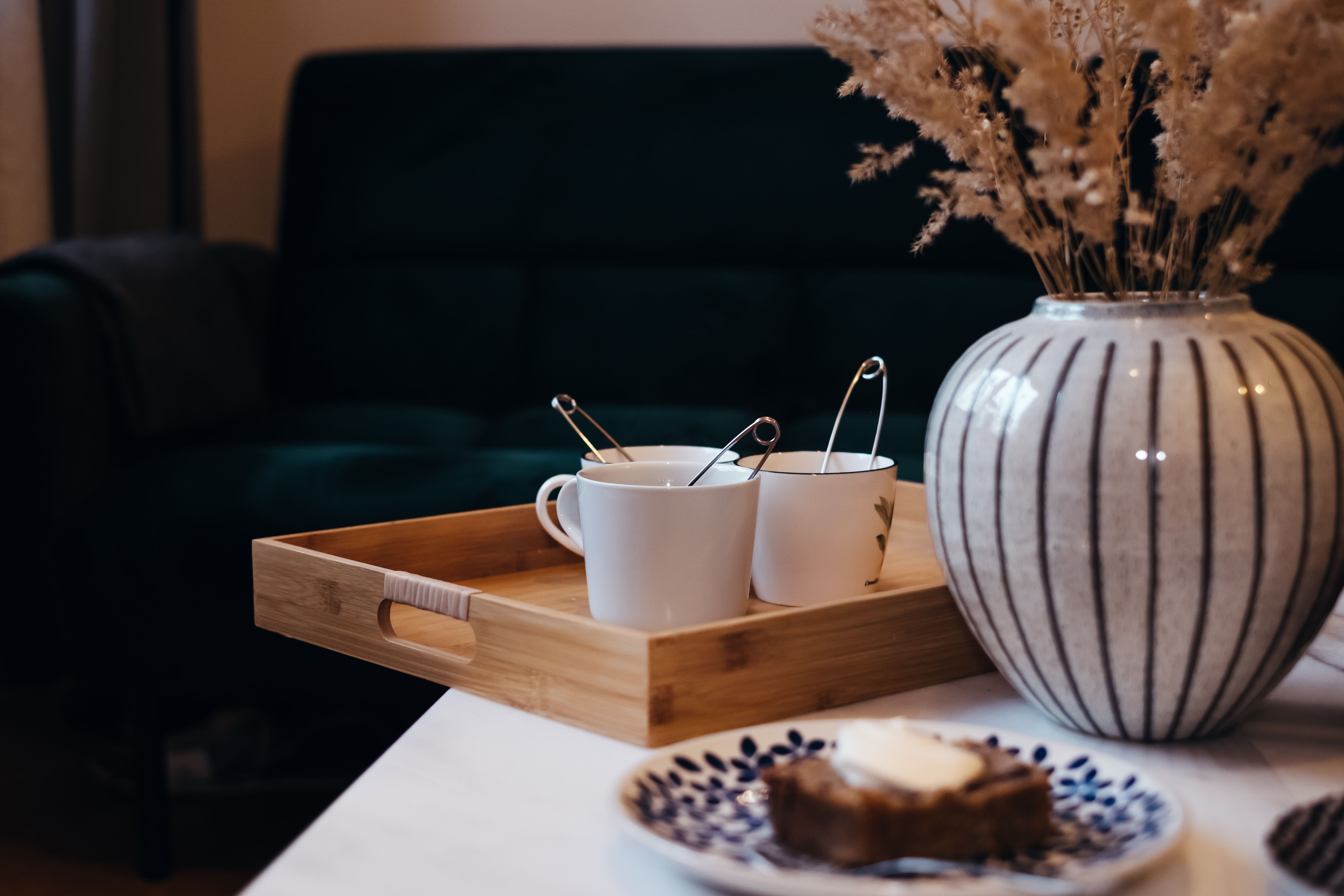
Some rooms are beautifully furnished and yet still feel cold. Then the curtains arrive.
And everything changes. Not simply because they add fabric. Curtains filter the light, emphasise the height of the room, soften the lines of the windows and introduce a sense of movement that furniture, by its nature, cannot provide.
Whenever possible, we like curtains to begin visually from above and fall all the way to the floor, avoiding that slightly uncertain effect of fabric stopping several centimetres short. Then comes the choice of textile. A light linen can soften and filter daylight. A heavier drape can add depth.
A shade just slightly darker than the walls can be enough to create rhythm without becoming the main feature. Curtains should not feel like something added at the very end. They should feel as though they belong to the architecture of the room.
Try walking into your living room in the evening and switching on only the central light.
Then turn it off. Switch on a floor lamp beside the sofa, a small table lamp on a cabinet and perhaps a wall light. It is still the same room. But it probably no longer feels like the same home. Lighting is one of the most powerful styling tools we have.
It is not only there to help us see. It allows us to decide where we want the eye to go. A low light beside an armchair makes that corner feel more intimate.
A small lamp on a console gives depth to a wall. A wall light can highlight a painting or simply create a beautiful shadow. This is why we prefer to think of lighting in layers rather than as a single point of light.
Especially in the evening. A home should be able to change its atmosphere as the light outside changes.
Imagine a living room in shades of ecru. Ivory walls. A pale sofa. Light curtains. A light rug. Pale cushions.
It could be beautiful. Or incredibly flat.
The difference is often not another colour. It is texture. Washed linen beside velvet. A more irregular wool. An embroidered cushion. Wood next to stone. A glazed ceramic object on a matte surface. When we work with very calm palettes, texture is what prevents everything from blending into one.
So instead of asking only:
“What colour should this cushion be?”
Also ask:
“What does it need to add to what I already have?” Perhaps you do not need another beige. Perhaps you need a beige that feels completely different to the touch.
And this is perhaps the most delicate part. We can choose the right rug. Design the curtains perfectly. Layer the lighting. Combine beautiful fabrics. And yet a home can still feel like a showroom if nothing in it feels personal.
This does not mean filling every surface with objects. Quite the opposite.
A stack of books you love. A photograph. A ceramic piece found while travelling. A painting. Something inherited. A small vintage object placed beside something contemporary. These are often the things that make an interior feel less perfect — and far more interesting.
And they do not necessarily have to “match”. A personal home is not created by selecting twenty objects in exactly the same style. It comes together when different pieces seem to have found their natural place over time.
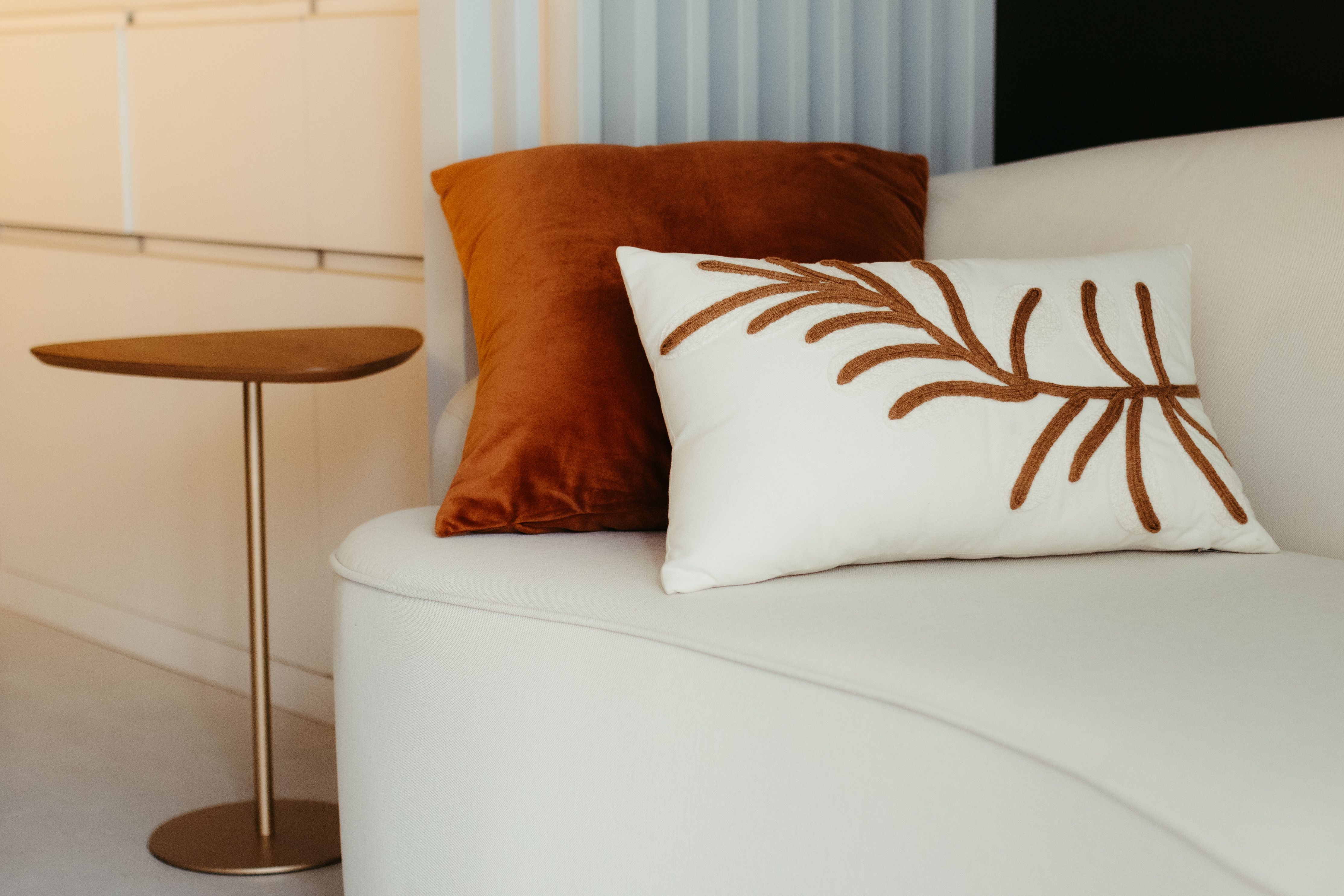
Styling lives precisely in that small space between the two. It is not about filling. It is about completing. Adding softness where everything feels too rigid. Depth where everything feels too uniform. Light where the room lacks atmosphere.
A personal object where the space still feels anonymous. And, perhaps most importantly, knowing when to stop.
Because a successful home is not one in which every centimetre has been decorated. It is one in which even the empty space feels intentional.
We can help you look at it with fresh eyes and work on those final layers — colour, textiles, lighting, proportion and detail — without necessarily changing everything you already have.
Write to us at info@aqhitalia.com and tell us about your space.




.png)