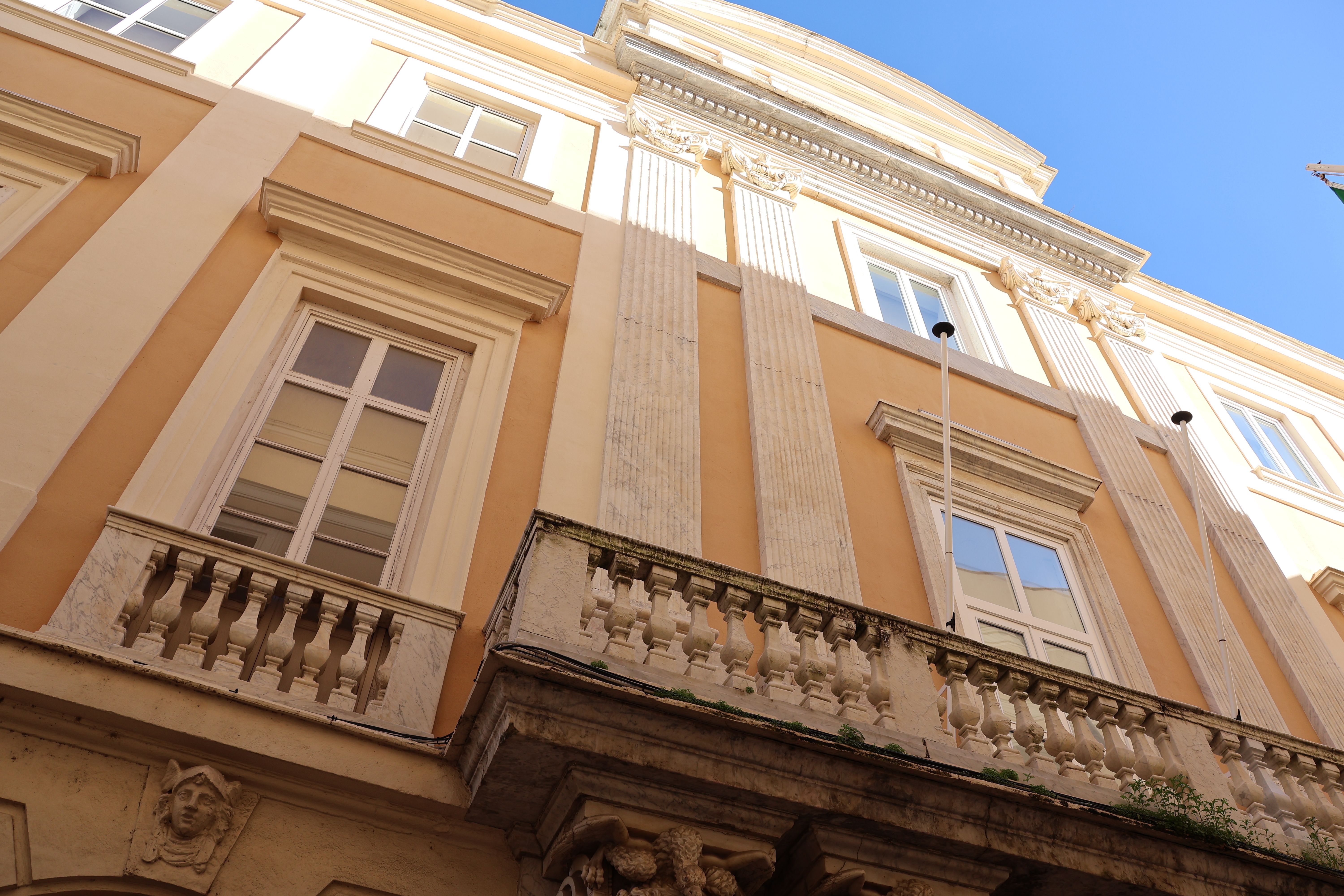
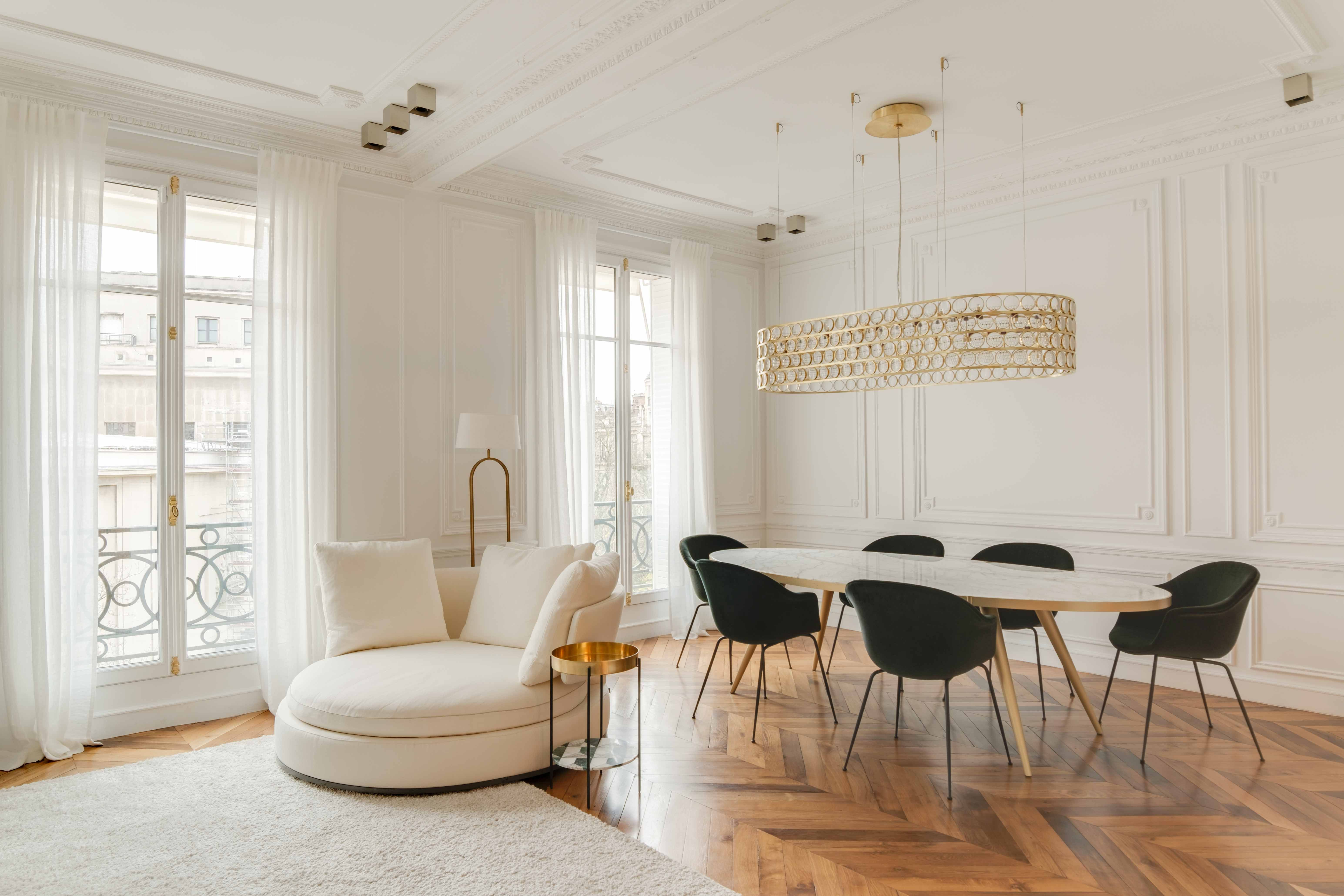
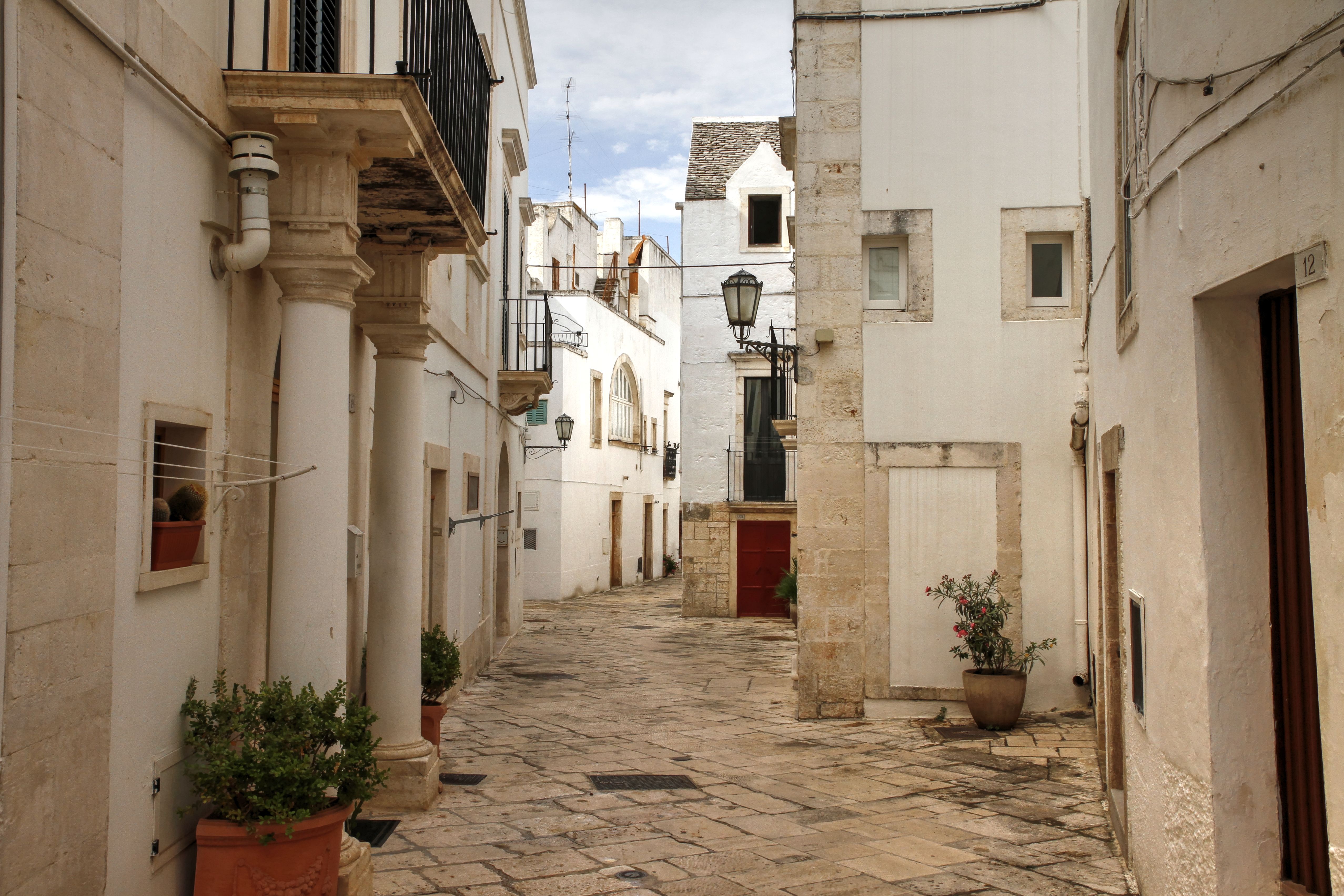
From a distance, it almost seems unreal. A pale mass resting on the hill, compact, luminous, instantly recognisable. Then you enter the historic centre, and the white stops being just a colour. It becomes material. Cracks, thicknesses, shadows, stone frames, worn steps, narrow passageways and façades shaped by the slope begin to emerge.
And that is where Ostuni becomes truly interesting. Not when we look at it as a postcard.But when we begin to read it as architecture.
Ostuni’s identity is deeply tied to the traditional limewashing of its façades.
Even today, the Municipality protects this characteristic by requiring the renewal of limewashed surfaces in parts of the historic centre in order to preserve the city’s architectural identity.
Seen up close, however, Ostuni’s white is anything but uniform. It follows the texture of the wall. It absorbs its irregularities.It changes with the light. It reveals the surface rather than concealing it.
And perhaps this is one of the first lessons Ostuni offers contemporary interior design: a light surface does not need to be flat in order to feel elegant. It can live through texture, shadow and imperfection.
At the highest point of the town stands the Co-Cathedral of Santa Maria Assunta, largely built in its present form during the fifteenth century.
The façade is already unusual for its soft lines, inflected arches and Gothic decoration. But the detail that truly deserves attention is the large central rose window. It is not simply decorative.
It is formed by twenty-four small columns arranged radially around the central figure of Christ giving a blessing. The General Catalogue of Cultural Heritage also records the concentric frames decorated with vegetal and figurative motifs.
From a distance, it almost resembles stone lacework. Up close, it becomes an extraordinary study in rhythm and repetition.
And it is fascinating to see how contemporary this principle still feels in design: one repeated module, subtly articulated, can create a highly complex surface without relying on an excess of different elements.

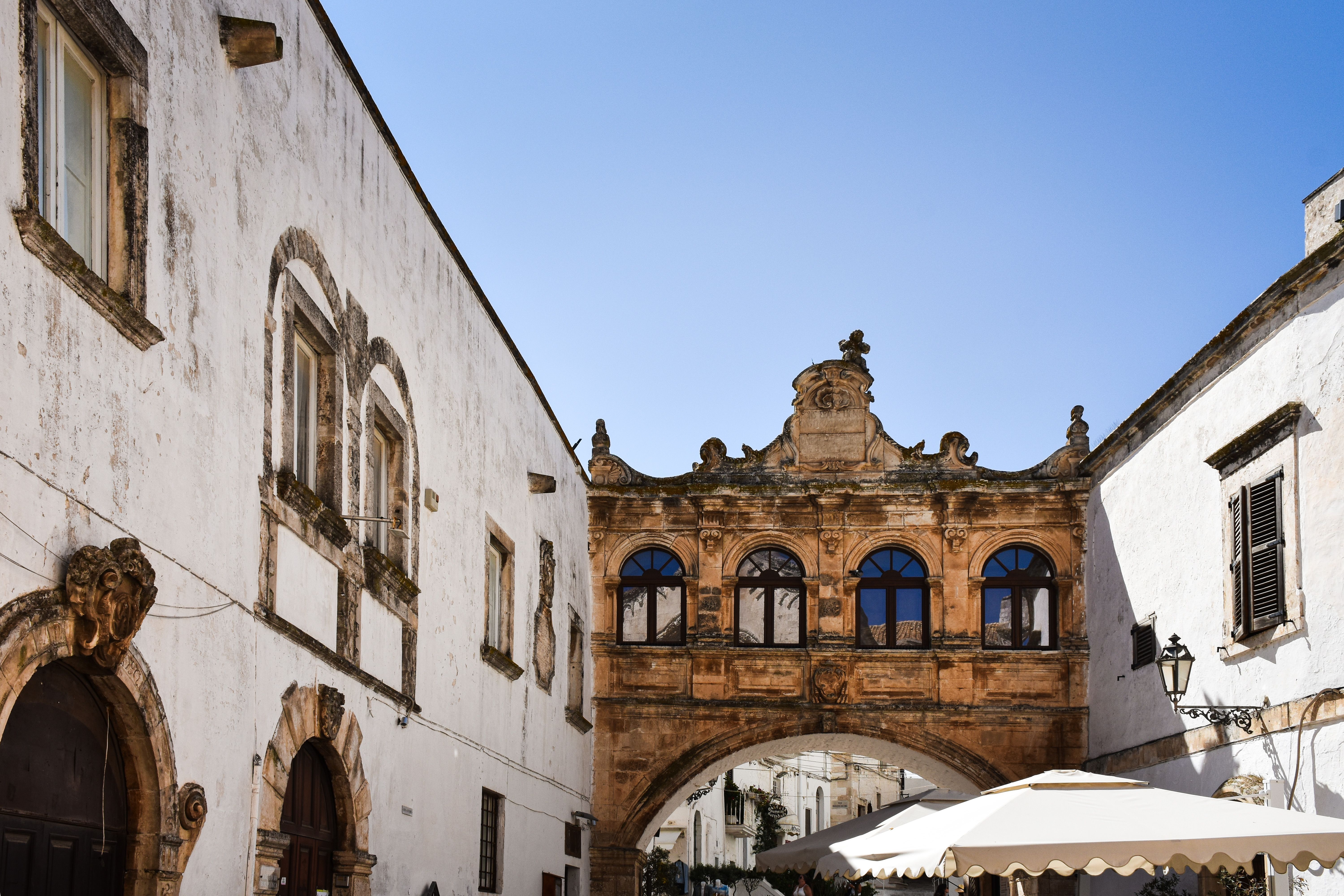
Just a short distance from the Cathedral is one of Ostuni’s most photographed architectural details: Arco Scoppa. It connects the Bishop’s Palace with the former Seminary, creating a suspended passage above the square.
Regional sources identify these two eighteenth-century buildings, and the arch that links them, as one of the defining elements of the Cathedral area. But what makes it interesting is not only the arch itself.
It is the way it transforms the space. Two separate buildings suddenly seem to belong to the same composition. The street continues beneath. The eye passes through. The architecture continues above.
It is almost a small lesson in urban design:
to connect without enclosing.
And perhaps this is precisely what makes historic Italian towns so rich. They are not made only of beautiful buildings, but of the relationships created between one building and the next.
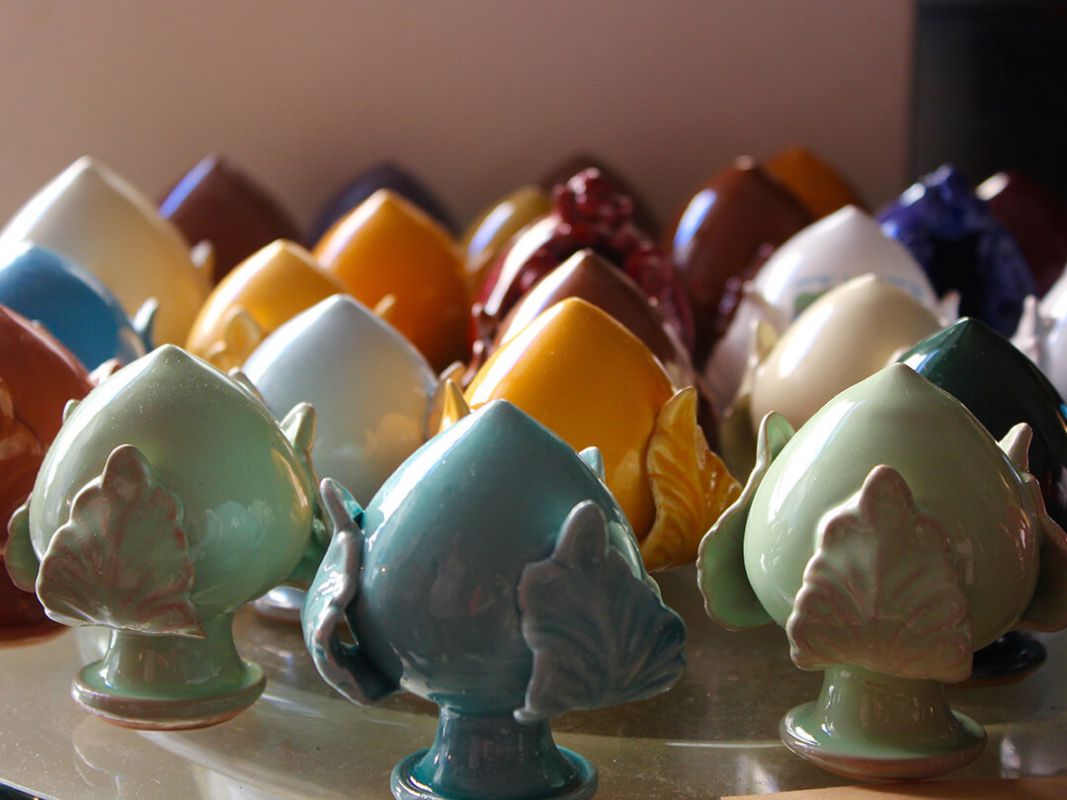
In Puglia, the culture of the home also lives through objects. Terracotta, ceramics, woven pieces, ironwork, textiles and small handmade details.
Not everything is made in Ostuni, of course.
Puglia’s ceramic tradition belongs to specific centres. Grottaglie, for instance, is home to a historic Ceramics District, with workshops — some carved directly into the rock — where clay is still worked today. And this is what we love most about Puglian craftsmanship.
Not the idea of the souvenir.
But the idea of an object that carries a place within it.
An irregular terracotta jug. A large glazed plate. A vase whose surface is never perfectly identical. A handmade knob.
A lamp, or a small iron detail.
Placed inside a very simple white interior, these objects work almost like punctuation.
They do not fill the room.
They bring it to life.
The Puglia Region recognises and promotes artistic and traditional ceramics as an important part of the area’s craft heritage and contemporary cultural identity.And perhaps this is one of the most beautiful ways to bring a little of Puglia into a home: not by copying a style, but by choosing a real material, made by someone’s hands.
You do not need to coordinate everything. You do not need to make everything perfect.
Sometimes all you need is a quiet wall, an authentic material and an object capable of telling a story. The light can do the rest. And if there is one thing Ostuni knows particularly well, it is exactly this:
allowing the light to complete the design.




.png)